
“Living systems are designed to thrive and replicate in the surrounding environment. Typically several hundred to several thousand reactions proceed simultaneously in the confines of a living cell. The most distinctive feature of living systems is that all the reactions serve a purpose, the maintenance and propagation of the system. Collectivley, the processes involved are referred to as the system’s metabolism. When new biochemical reactions are discovered, we try to see what role they play in metabolic functioning. Just as frequently, we start with the hypothesis that in light of a known function, a certain reaction must exist, and this conviction gives the impetus that leads to discovery of that reaction”
(Geoffrey Zubay’s “Origins of Life on the Earth and in the Cosmos”. Harcourt publishers; page 107)
Does this imply that there is evidence of design? We see a reaction and expect others? Was metabolism put together with foresight or purpose? Just some thoughts to ponder. If you’re willing to wait for it to load, we recommend taking a look at some of them as they reveal just a glimpse of the level of complexity we’re dealing with when we look at the cell.
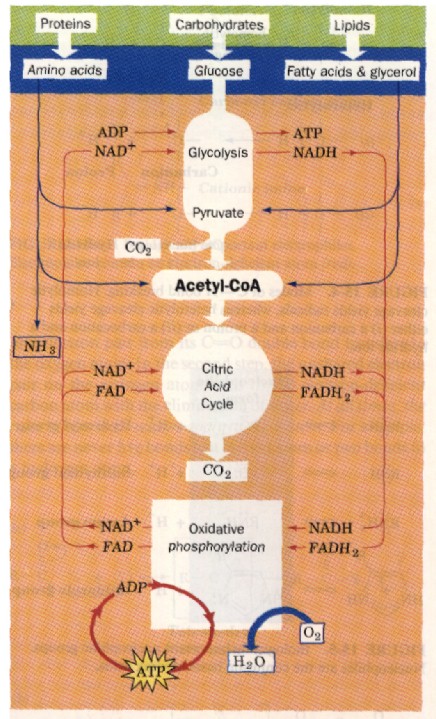
Figure 1: A picture of the basic workings of metabolism. Click on it for a larger, enhanced image.
The picture is from Biochemistry (by Voet and Voet, 2nd edition, John Wiley and Sons, 1995, page 415).
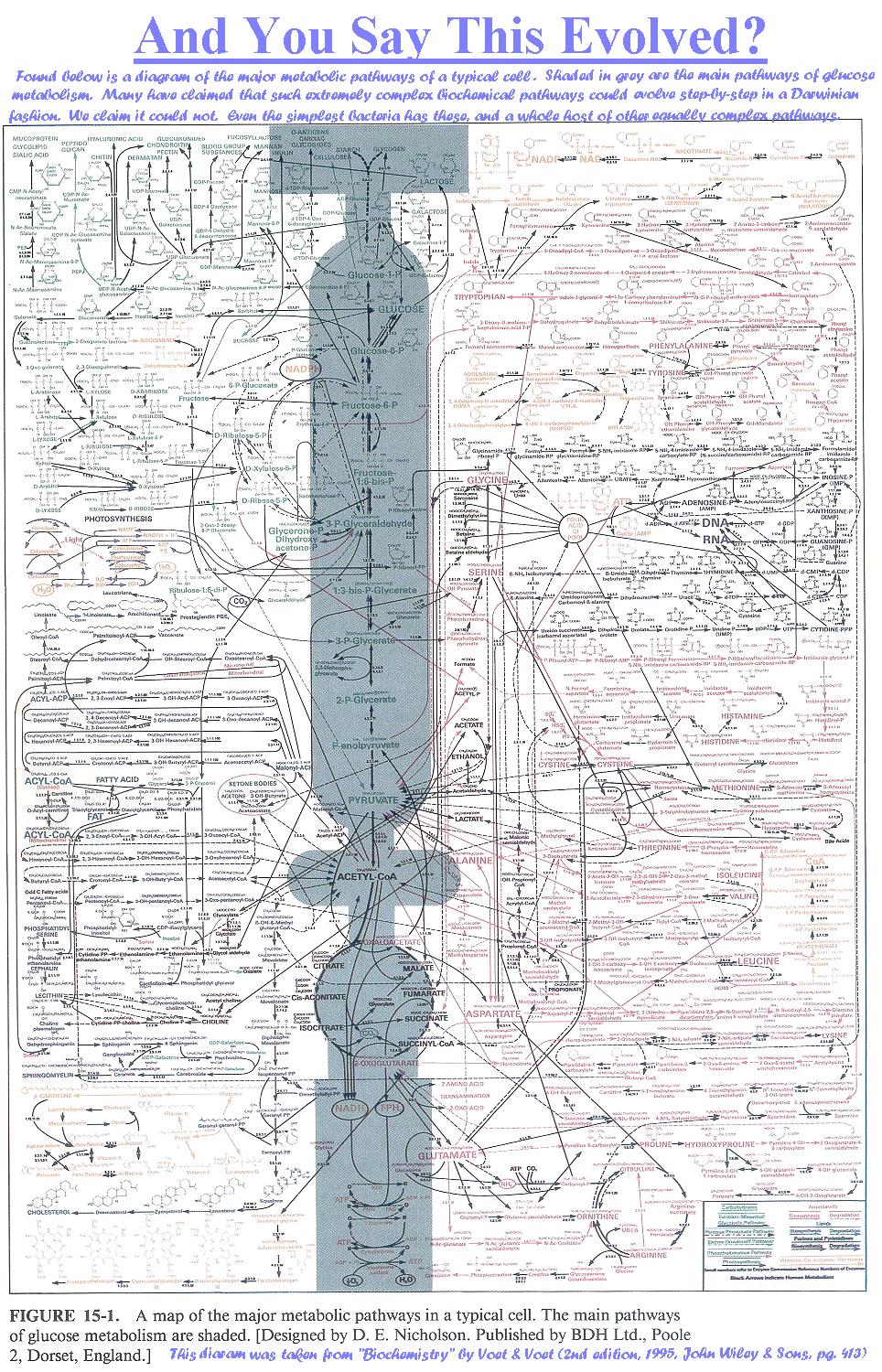
Figure 2: A more detailed huge picture of the workings of human metabolism. This picture may take a while to load, but it is really cool and gives a tip-of-the iceberg picture of the true complexity of metabolism. The reference is on the graphic itself.
References Cited
Other Unevolvable Biological Features:
Related Articles: